No products in the cart.


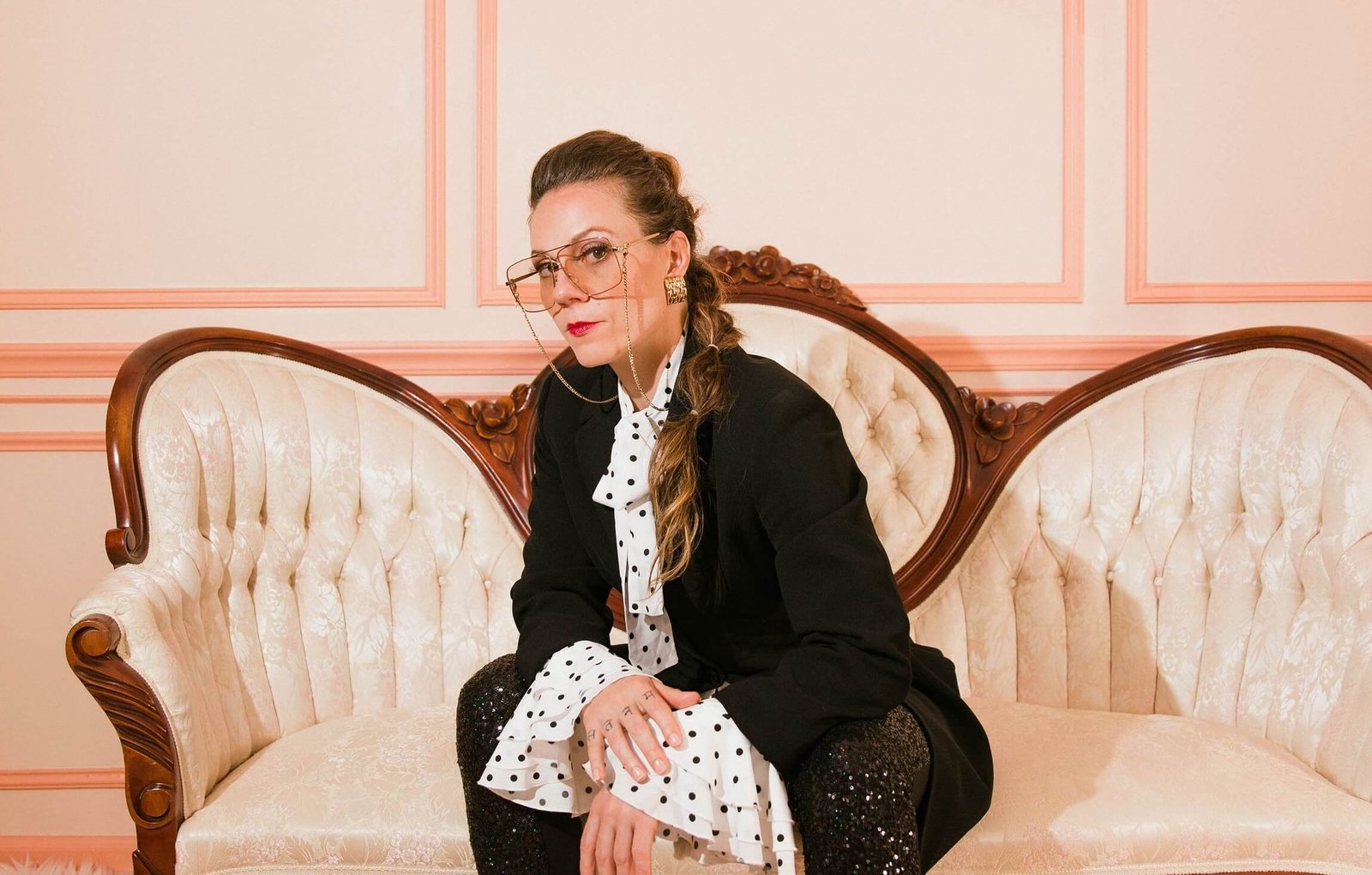
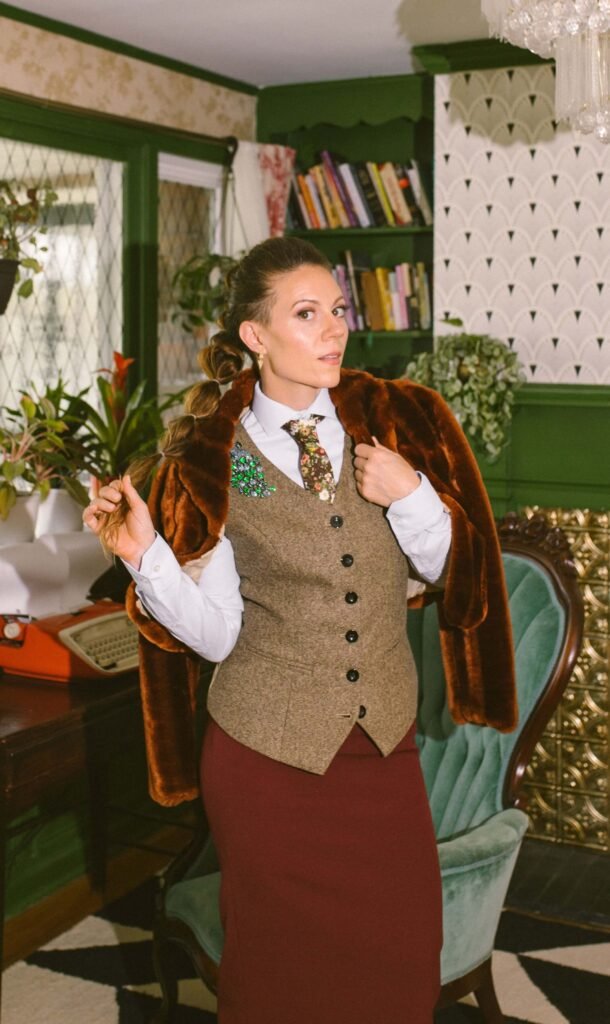
Rea Frey is the #1 bestselling author of several suspense, women’s fiction, and nonfiction books. Known as a “book doula,” she also helps other authors birth their books into the world. In the course of her career, she has helped over 500 first-time authors, celebrities, and public figures land agents, six-figure book deals, and become bestselling authors. To learn more, visit her website at www.reafrey.com.
Greek Sirens.
I don’t eat dessert! (I know, boring.)
Passive. Sweet. Lazy.
The mountains!
Any online course! Every time I purchase them, I don’t complete them. I dislike online learning immensely.
My wallet!
Osprey.
The Pitt. I think I’m going to pivot in my mid-forties to become an ER doctor. So. So. Good.
My husband. And stupid people on reality TV. “We are all searching for someone whose demons play well with ours.”Rea Frey, Because You’re Mine
Light roast coffee with cream.
W R I T E.
You’ve answered our rapid fire so well, Rea. Now, it’s time for our readers to know more about the person behind the book.
I grew up wanting to be an Olympic gymnast, but I loved reading and writing. Though I didn’t see anyone in my life making money at writing, I decided to pursue it anyway. I went to Columbia and majored in Creative Writing. I was desperate to be published, so I wrote a crappy first novel and managed to get a “book deal” by an even crappier publisher. I realized very quickly that while I’d taken four years of writing classes, there wasn’t one business class offered. So I took it upon myself to learn everything I could about the business of publishing. I became an editor, a ghostwriter, a book coach, and then pivoted to nonfiction. I had 4 nonfiction books traditionally published, then turned back to fiction in 2017. Because I better understood the business, I landed a 4-book deal and a movie deal for what I consider my true debut novel, Not Her Daughter. Then a 2-book deal with HarperCollins. Then a 3-book deal with Thomas & Mercer. All the while, I was working with authors as a book coach to help them get their books into the world. To date, I’ve helped hundreds of first-time authors land agents, book deals, and become bestselling authors. I’ve literally put all my eggs in the publishing industry basket, so, you know, this shit has to work.
I very rarely, if ever, re-read books, because I love how they impact me the first time around! “We miss all kinds of things when we don’t know what we’re looking for.”Rea Frey, Don’t Forget Me
My hubby. He is my first reader and has been there for every single book.
I wish I was that cool, but no!
I’ve learned, over time, that the really nasty ones are rarely about you as an author. I find that when a reader is outraged and tears your book apart, it’s because you’ve triggered them in some way. A good thing to remember: your book is never going to be universally loved or hated. You will always have good reviews and bad reviews, so why put more weight on the bad ones? Also, a negative review is about your book, not you. That helps. “It was the first time in a while that I felt purposeful and free, not constantly in my head, worrying about tomorrow or my place in the world. Instead, all that disappeared, and I lost myself”Rea Frey, Don’t Forget Me
The plot. I see everything I write unfolding like a movie. Once I know where I’m going, I can figure out who I’m bringing with me.
Plot/Story (40), Marketing (30), Book Cover (10), Dialogue (10), Reviews (10).
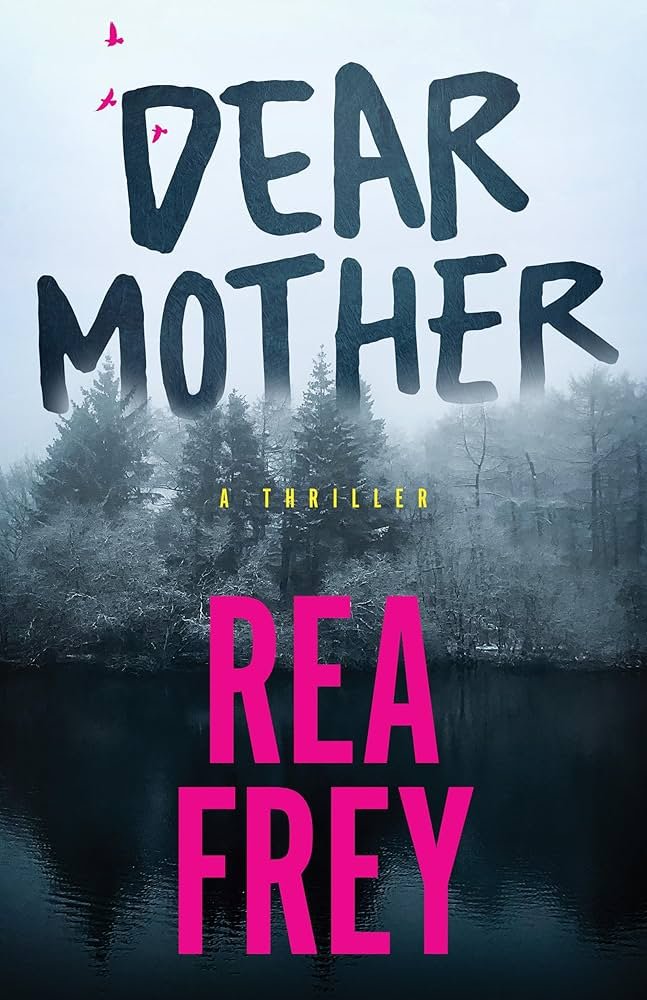
Twenty-five years after her foster siblings died in a fire she believed her mother started, investigative journalist Isabelle Archer returns home to bury the woman she feared. But a new autopsy suggests her mother was murdered, forcing Isabelle to uncover if the two tragedies are linked—or if the real killer is still watching.
I used to be a journalist for several death row cases, so it was fun to flex that muscle. I also loved writing from the children’s POVs the night they died. That sounds sadistic, but it was great to get to know those characters, to make them real.
Outlines. Though I am getting better at mapping out the whole book before I start, I love leaving room to be surprised.
Very much so! Isabelle is a badass.
I am a plantser. (It’s a thing.) I always know where I’m going, but I create more of a high level book skeleton versus an extremely detailed outline. I love to leave room to shift or be surprised.
It’s so easy to judge mothers. To label them as good or bad. To look at them as only mothers instead of human beings. This book shows how far we go as mothers, what we do to protect our children, and sometimes who we become in the process.
This entire book was hard. I had to rewrite it in two weeks (literally)! My editors did not love the first version of this book, so I had to ditch the whole thing and cobble this story together from thin air. As I was reworking it, my editors were in in a Google Doc with me, editing as I wrote! It was a wild experience.
Yes! As a book coach, I work with authors every single day on getting their world into the world. It is imperative to learn everything you can about this business. Your book is a product to sell. If you are an author, then you’re an entrepreneur. You need to do so much more than craft a good story. You must figure out what your goals are, what publication path feels right, how you want to market, and then understand your role in your career. The more you know, the more you can advocate for yourself and your work.

As the leaves begin to turn and the days grow warmer, spring brings with it a fresh wave of literary...
As the world of literature continues to expand and evolve, spring 2026 promises to deliver an exhilarating wave of imagination...

As spring 2026 approaches, romance enthusiasts everywhere are gearing up for a season filled with sizzling stories and steamy connections....

As the days grow longer and the air fills with anticipation, spring 2026 is shaping up to be an exhilarating...
Where Trends are made and discovered
Trenzle is your official source of discovering the latest people, work, and ideas that deserve to trend. Discover Authors and their books, Creators and their work, People and their opinions, and Stories from around the globe.
Learn more