No products in the cart.


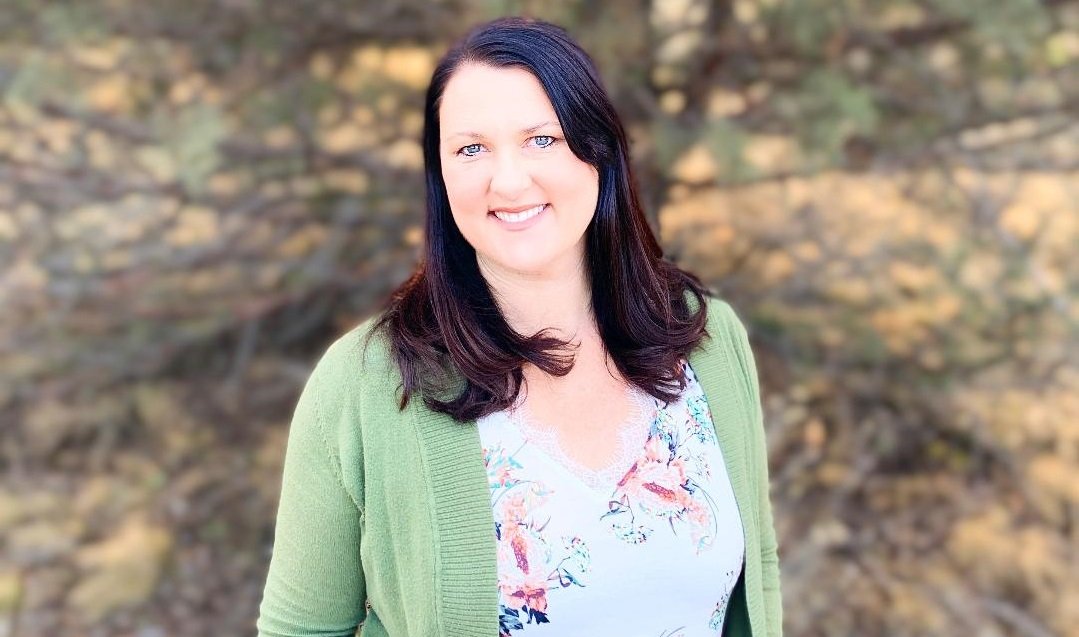
Kerry Chaput is an award-winning historical fiction author who writes about daring women with loads of adventure and a splash of magic. Kerry’s writing has been an Historical Novel Society editor’s choice, with Midwest Book Review calling her a “Master of the genre.” She’s also been a finalist for Sarton Women’s Book Award and the Chaucer Book Award for early historical fiction. Born in California, she now calls the Pacific Northwest home. Kerry frequents hiking trails, coffee shops, and independent bookstores near her home in Bend, Oregon.
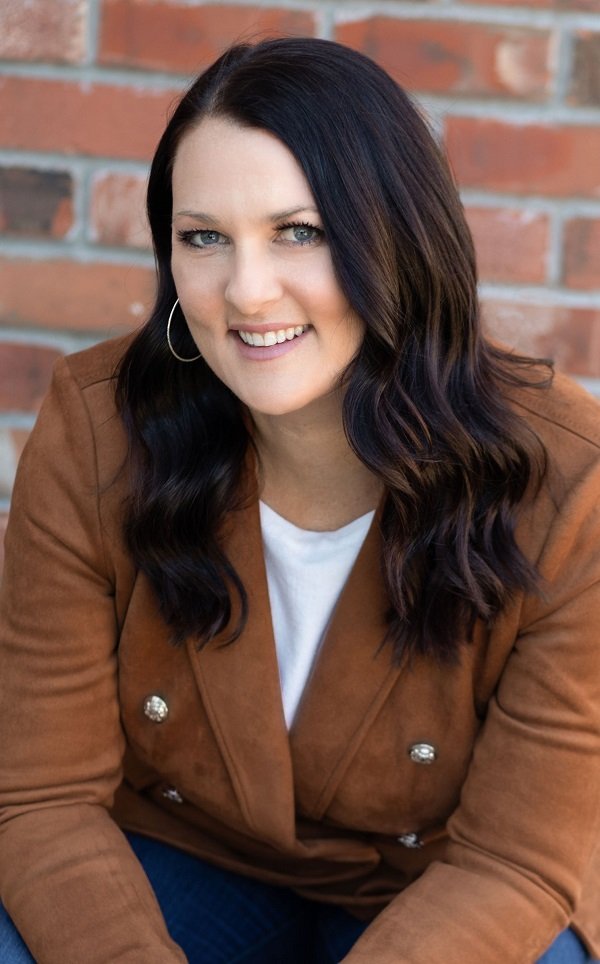
I’m going with phoenix. Solitary, strong convictions, and always on the move. Much like the phoenix, I am very good at transformation—and creating my own destruction for another chance to rise.
So early that in the summer the sun is still up. To wake at 4:30 am one needs their rest.
Lazy, fake, needy. I do all things with intensity hyper-independence. I’m not saying it’s healthy…
We took a family cruise to Alaska. King crab dinner and zip lining for the win!
Dream job. 100%. Full-time writer who travels to for research then returns home to cozy up in my cottage in the Scottish Highlands, of course.
My education. Hear me out! I went to a private school for my Masters, and I’ll be paying those loans until I die. If I could do it over, I would go to a public university. The education would have been just as good, and I wouldn’t have the debt hanging over me.
One shoe. I know, it’s silly. Since I was a kid, I always can only find one shoe and find myself racing around the house to find the other.
Codename Eleanor. For my deep admiration for Eleanor Roosevelt. Of all the badass women in history I research, her quiet, unshakeable strength will never stop inspiring me. “In between those heartaches are moments of such joy that they change you forever. The magical kisses and first loves and the moment your art shines. Those heartaches are growing pains that let in space for the really good stuff. The stuff you think about when you’re an old lady living with a Mexican bird.”Kerry Chaput, My Boring Life
If some of us are put here to disrupt. I’ve always wondered if some people who push and force change in the world had a course set from birth. If there was a purpose they knew when they were simply stardust. That, and how to cure anxiety. If anyone has the answer, please let me know.
Funny dog videos. My family sends them to each other daily and hearing my husband giggle over them always makes me laugh too. Especially the videos of big derpy dogs doing silly things because I too have two big derps at home.
I’m opinionated and mouthy, so it surprises people to know that I’m the world’s biggest introvert. Like, anti-social, loves silence kind of introvert.
You’ve answered our rapid fire so well, Kerry. Now, it’s time for our readers to know more about the person behind the book.
I began writing at twelve, deciding right then that this would be my life path. My parents said no. Far too impractical in my lower middle-class family. So, my father chose my major for me, and I went on to 9 years of higher education for a career that was never my choice. I secretly wrote when no one was looking—including an entire (terrible) manuscript in my twenties, which I hid on my hard drive under a fake title. At forty, I decided no more. I pulled out that manuscript fifteen years after I wrote it, and that day, I became a writer.
This may shock people, but I don’t re-read books. Ever. I don’t want to lose that first read glow or overanalyze stories I love. I just let them live as magical little experiences in my mind. I went through a phase years ago where I re-read the classics, but I avoided any that I felt were life changing, like The Diary of Anne Frank. That was such an important book for me at twelve, and I didn’t want to alter that memory. I leave my serial return to stories in the form of television, namely Gilmore Girls and Desperate Housewives.
My husband. Funny enough, I reworked that entire first manuscript for nearly a year without telling him that I was writing. I worked in the early hours and at naptimes, only telling him when I realized I was now a writer and it was time to own it. He never hesitated to support me, acting as advisor, business associate, early reader, and moral supporter during every phase of my journey.
Sometimes. Several of my books include character names of my next project. My stories are so twisty and fast paced that I don’t feel the need to hide too many secrets. My plots themselves push my creativity to the limit, leaving me on cliffhangers with no idea how to write my way out of them. I always do, but my mind is a little mysterious, even to me.
I don’t read reviews. No exceptions. Reviews are for readers. That’s a space I don’t belong in. While scrolling social media recently, I came across a review that tore apart a book that was one of my top reads of the last 5 years. The book I read in awe someone else thought was “boring.” Stories are subjective. Readers should feel free to express their honest opinions, but reviews aren’t where I learn craft or hear feedback that can help my writing. That is what critique parters, classes, and beta readers are for.
Plot comes more naturally for me, but I’ve learned to incorporate the two as I write my rough draft. I plan nothing before I throw myself into a project, which is honestly not very efficient, but alas, I honor my madness. I always know my main character, what they want, what stands in their way, and I always know the setting. Beyond that, everything comes out in the drafting phase, which is the swirl of my manic mind.
By writing them. I’ve tried every preparation trick there is, including journals and personality types, character workbooks, and real-life inspiration. None of that works for me because I learn by doing. My characters reveal themselves in scene, feeding me bits of them as we go. I try to understand their motivation before I begin, as without that, all things go off the rails. But the rest I rely on my muse to lead me like a hand in the dark. She usually delivers—if I don’t question her.
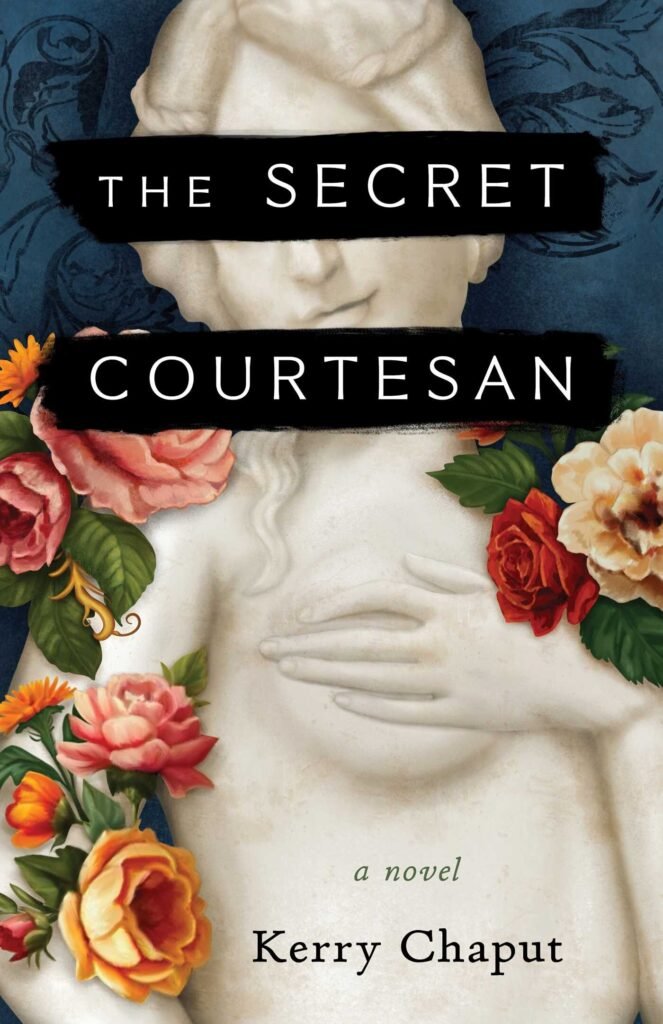
Historian Dr. Mia Harding must authenticate an erotic statue that’s been unearthed in Venice. The world wants to attribute the sculpture to a secretive male artist from the Renaissance, but Dr. Harding risks her career and her safety when she sets out to prove the sculptor was the famous artist’s courtesan who’s been erased from the historical record. As the art world’s biggest players threaten her, she chases through Venice to discover the truth before both women, four hundred years apart, are silenced forever.
This entire book was a joy to write. In the magical way stories do sometimes, these women remained clear to me from page one. The twists wrote themselves, and the story became like a puzzle, each piece landing itself clearly in place with a wink. It was very exciting to write two women four hundred years apart, chasing through the same canals and buildings in Venice like hauntings of each other.
Doing too much. I currently have two rough drafts that need attention all while a new project nudges me for attention. This is on top of a vast online platform with weekly Substacks, publishing three books in a year, raising kids and, oh yeah, my day job. I don’t do downtime.
I would sit down at a pub with Dr. Harding every night of the week. And I’d certainly follow her on any chase or adventure.
I plot nothing beforehand. Even when I’ve tried, I veer so far off course it isn’t worth trying anymore. I’m an intuitive writer, allowing myself to erase scenes (or sometimes even the entire manuscript) in favor of something that feels right.
You can’t write historical fiction without research, but I must say, I’m pretty extra about it. I keep a dozen tabs up as I write, checking every source I can for historical accuracy. I also keep files of collected resources and read as much non-fiction and memoir as I can to prepare. The fun part of history for me is finding the little nuggets of truth that bring stories to life. Like how courtesans in the Renaissance held power, receiving an education and access to the arts. Their station allowed them freedoms not found in even noble women. They were powerful enough to guide politics. “We are eccentric. And we’re in love. So, that’s how it goes. You take what the world says you can’t have, and you hold it tighter.”Kerry Chaput, My Boring Life
The chase scenes are always difficult. I need maps to orient myself to the layout of buildings and cities, and often those places have gone through so many transformations over the years that I have to scour documents to piece together my own rough map. A chase scene through the Doge’s Palace in 1609 Venice was one of those challenges. Between historical accounts, Google street view, and YouTube walking tours through the palace, I was able to place my characters in each space through separate scenes 400 years apart. I love blending history with modern drama, and I always add a little splash of serendipity because… that’s history.
As with any creative pursuit, you need to accept that you will never stop learning. It’s a craft that requires time and commitment, and unfortunately, a lot of failure. But that’s the joy of it. Every project carries you deeper into the most amazing lens on the world. On a day-to-day basis, my best advice is to let yourself write the wrong thing. Everything can be fixed in edits. Some words will get cut, but you can only find the magic when you let yourself explore. We get caught up in the pressure to write something brilliant. Write the wrong thing. I promise, it will get you to the right thing.

As the seasons change and flowers begin to bloom, so too does the literary landscape, brimming with fresh stories just...
As we step into a new year, the literary world brims with excitement for what's to come, especially in the...
As we step into 2026, the world of young adult literature is bursting with excitement and promise, especially for fans...
If you’re a horror enthusiast, get ready to mark your calendars! The literary world is buzzing with spine-chilling tales and...
Where Trends are made and discovered
Trenzle is your official source of discovering the latest people, work, and ideas that deserve to trend. Discover Authors and their books, Creators and their work, People and their opinions, and Stories from around the globe.
Learn more